 Tehran
Isfahan
Shiraz
Mashad
Tabriz
Rasht
Ahvaz
Kermanshah
Yazd
Qazvin
Qeshm Island
Babol
Kashan
About
Tehran
Isfahan
Shiraz
Mashad
Tabriz
Rasht
Ahvaz
Kermanshah
Yazd
Qazvin
Qeshm Island
Babol
Kashan
About
About Iran
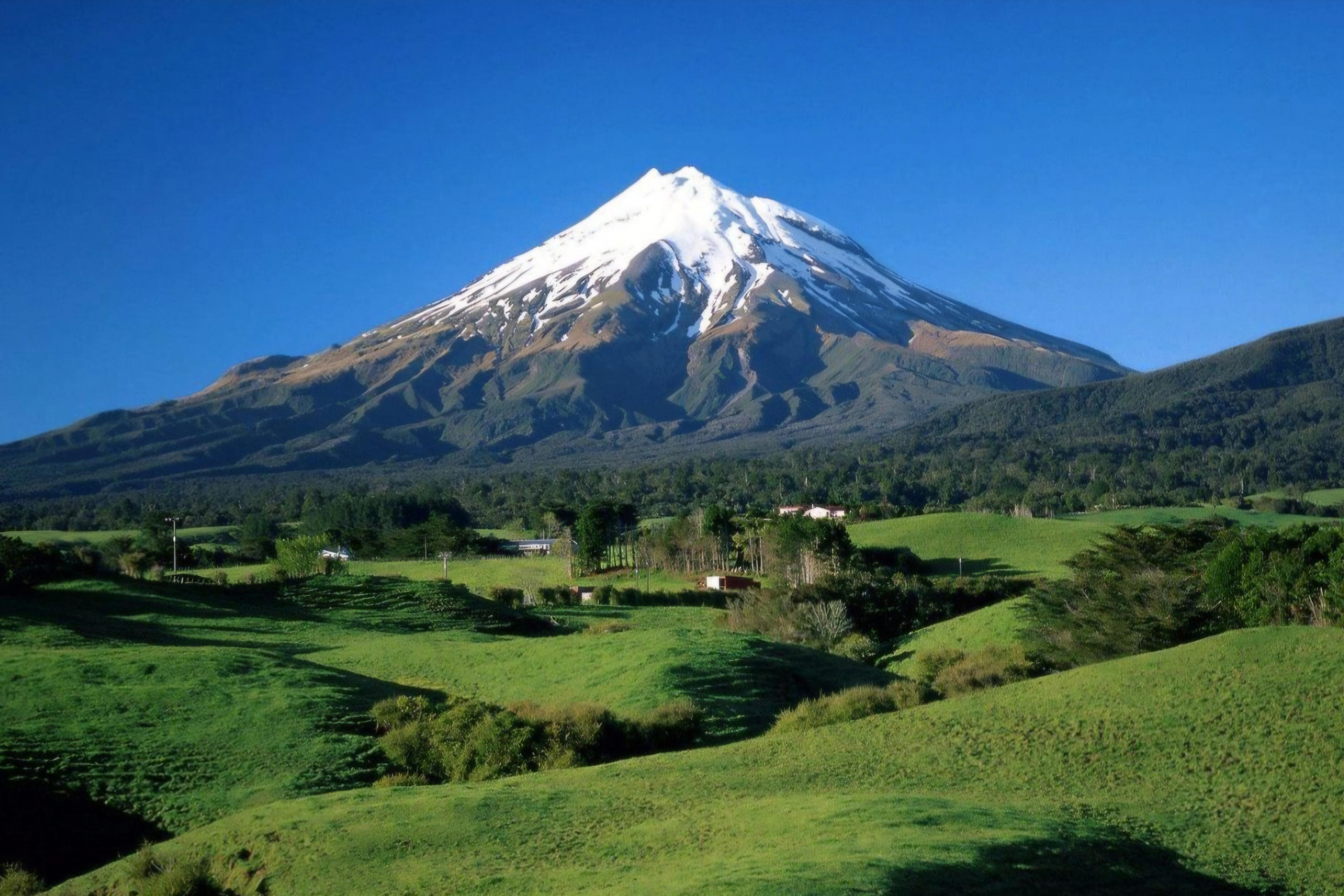
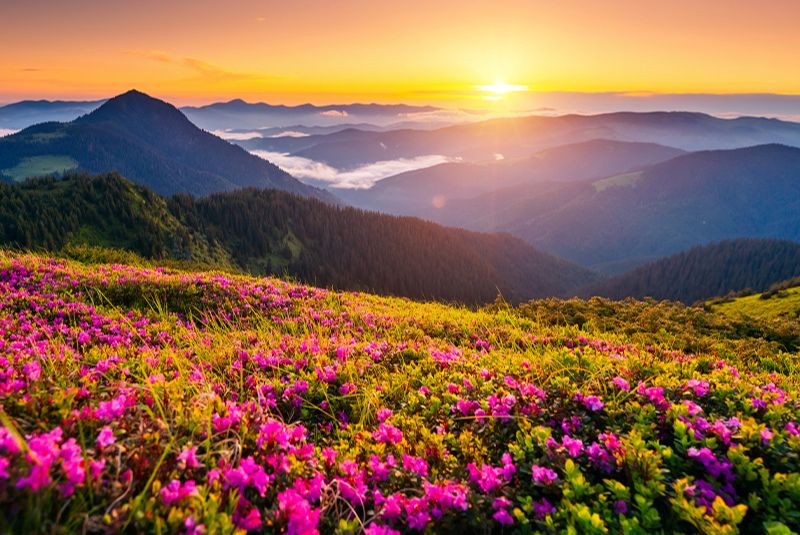
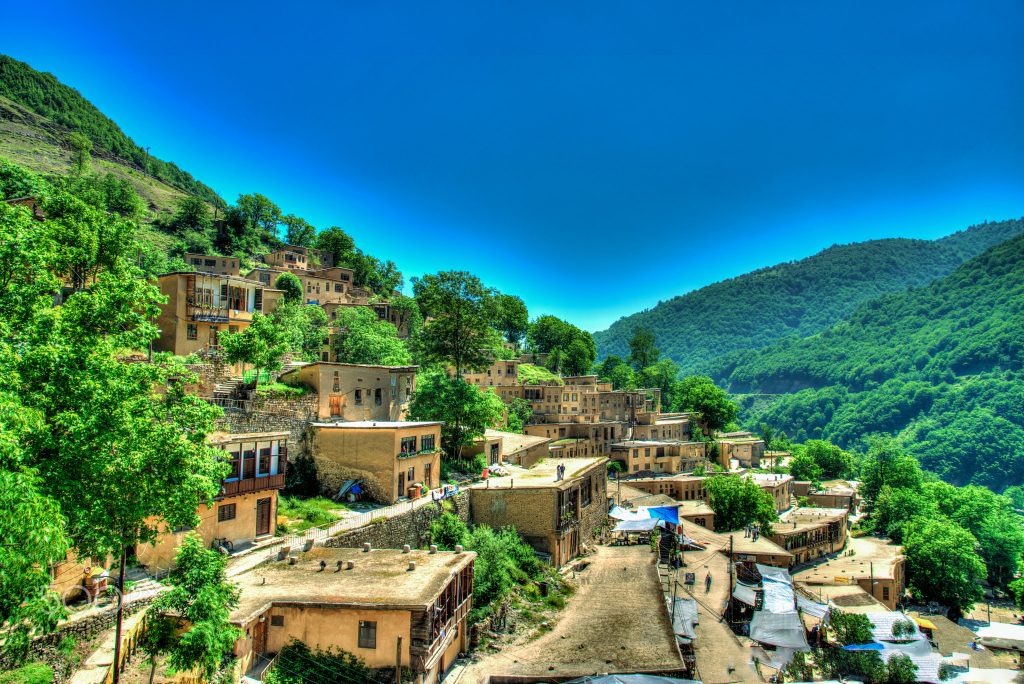
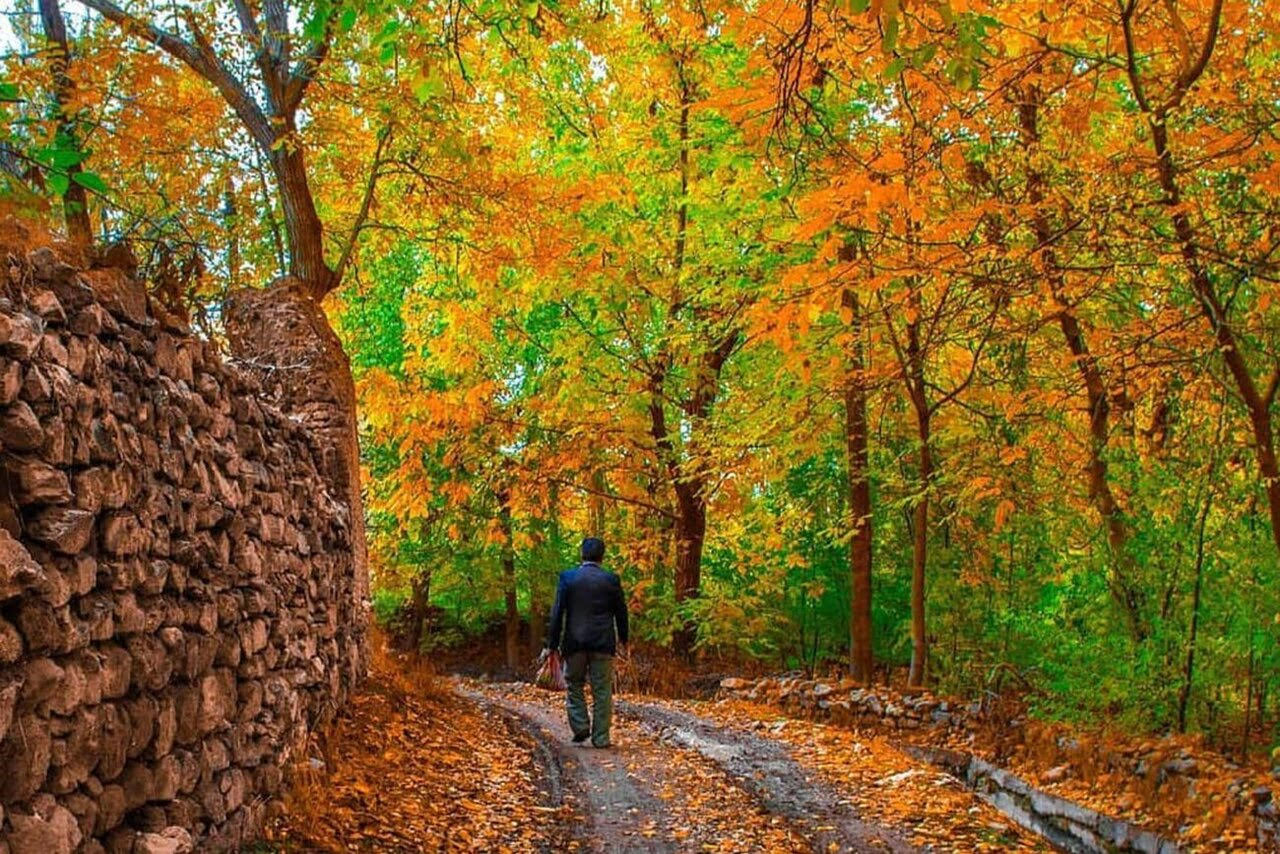
Iran is famous for it's four-season weather. It is considered as one of few countries in the world where visitors may experience all four seasons in a part of the country all year long. You can finf four seasonsat the same time throughout the year in evert cornerof the country.At the time that summmer starts in the southern and northern parts of the country close to the bodies of water(Caspian Sea in the north and Persian Gulf in south), you will be able to travel to the west to ski in snowy mountainous regions.If you are planing to go to the west of the country and aslo thee mountainous area, make sure you are prepared for a very cold temperature. It can get chilly even in the middle of August! Due to it's geographical location, it has a variety of nature such as mountains, lakes, seas, rivers, deserts, and forests, all of which are unique with their own animals and can attract tourists like a magical land. it gets even more interesting when you realize that all of these are onlly a few kilometers apart.
Diversity in Iran
Iran has this diversity in it's culture. Every city in Iran has its own culture, which is somehow very different from others. Meanwhile, each one is so engaging; for instance, depending on the culture as well as regional and local ingredients, it leads to its distinctive local food. On top of that are the very kind and friendly people of Iran who all are hospitableand welcome tourists kindly.
Top famous cities of Iran
Tehran
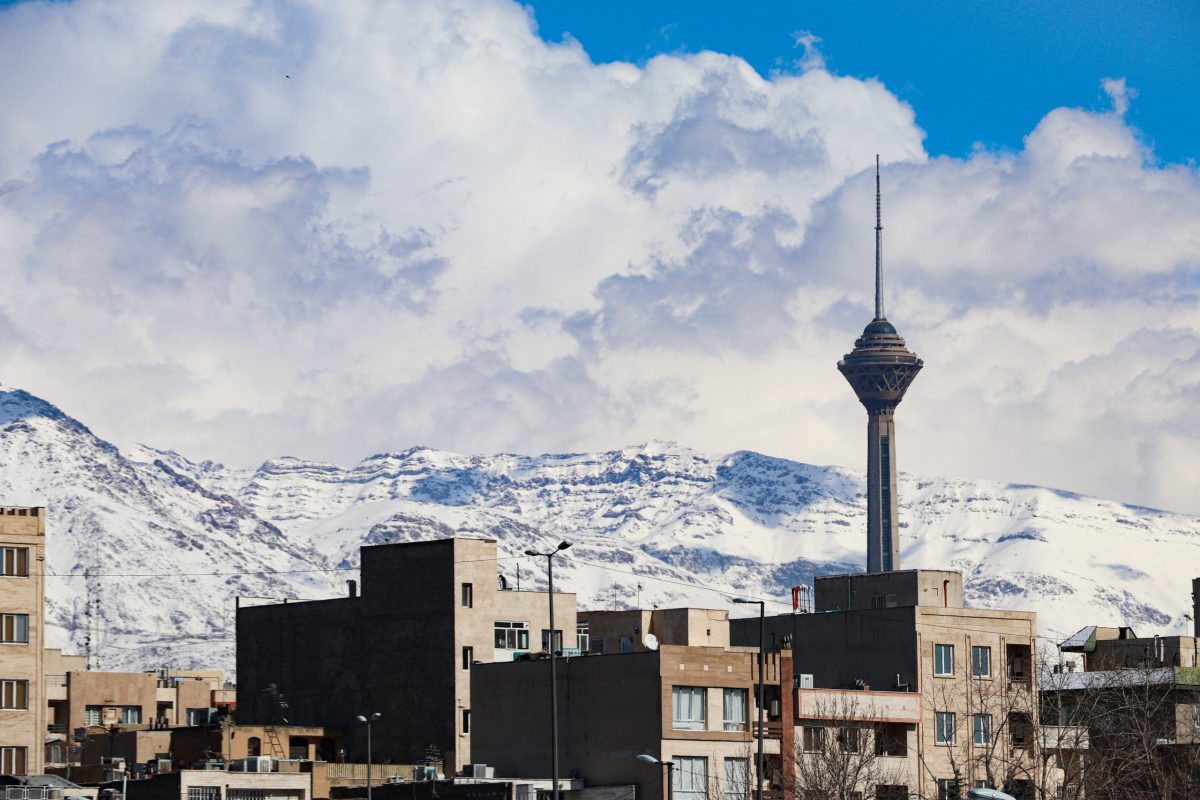
Tehran is the capital and largest city of Iran and also the largest city in Tehran Province. It also serves as the capital of the Province, county and the Central District. With a population of around 9.4 million in the city, and 16.8 million in the metropolitan area, Tehran is the most populous city in Iran and Western Asia,the second-largest metropolitan area in the Middle East after Cairo, and the 24th most populous metropolitan area in the world. Greater Tehran includes several municipalities, including "New Town of Andisheh", "Islam Shahr", "Qods", "Shahryar", "Pakdasht" and "Shamiran". Tehran is home to many historical sites, including the royal complexes of Golestan, Sa'dabad, and Niavaran, where the last two dynasties of the former Imperial State of Iran were seated. Tehran's landmarks include the Azadi Tower, a memorial built under the reign of Mohammad Reza Shah of the Pahlavi dynasty in 1971 to mark the 2,500th anniversary of the Persian Empire, the Milad Tower, the world's sixth-tallest self-supporting tower, completed in 2007, and the Tabiat Bridge, completed in 2014.Most of the population are Persian, with roughly 99% of them speaking the Persian language, alongside other ethnolinguistic groups in the city which became Persianized and assimilated.
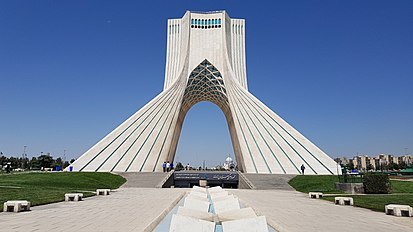
Azadi-Tower
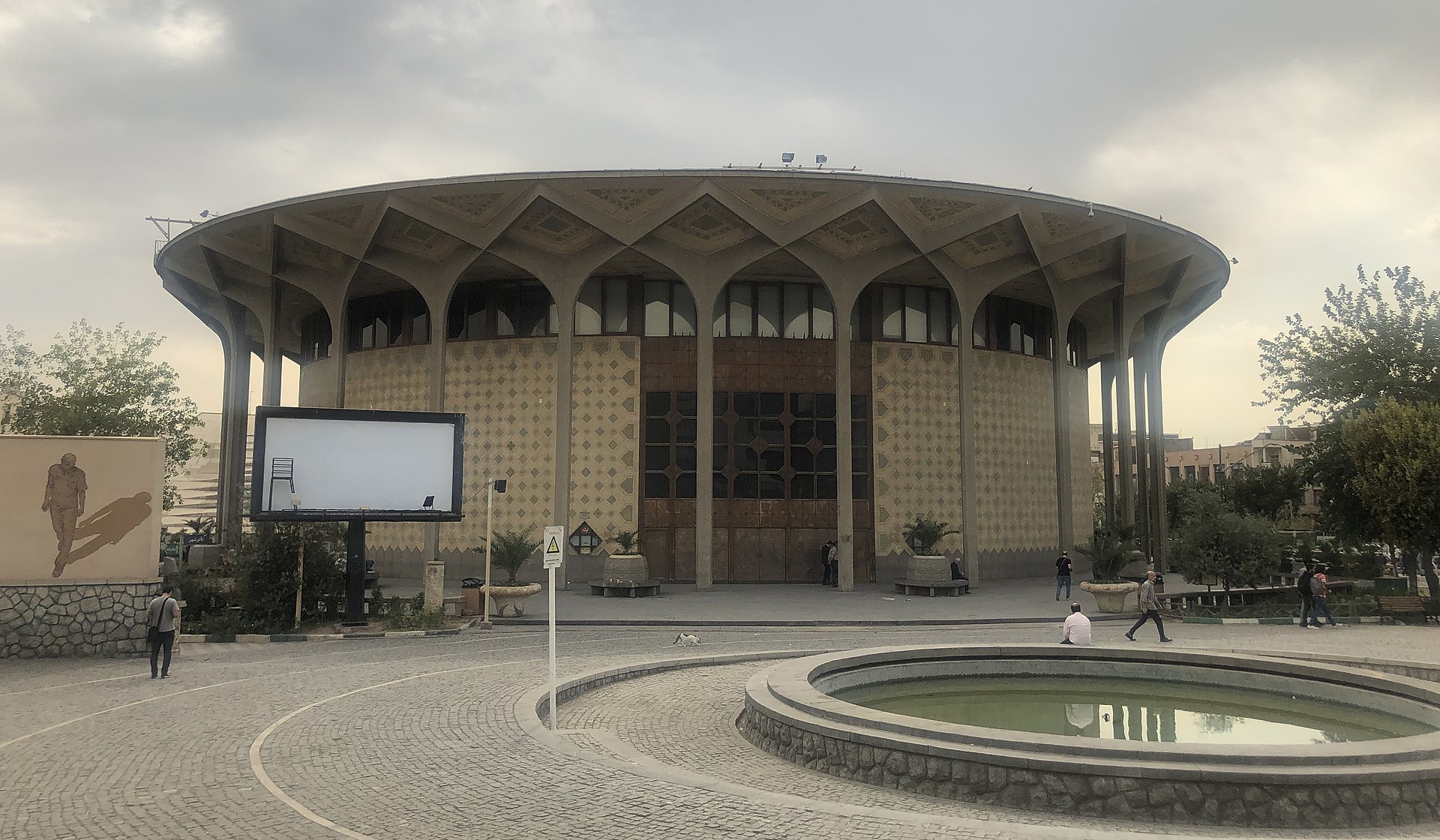
City-Theater of Tehran
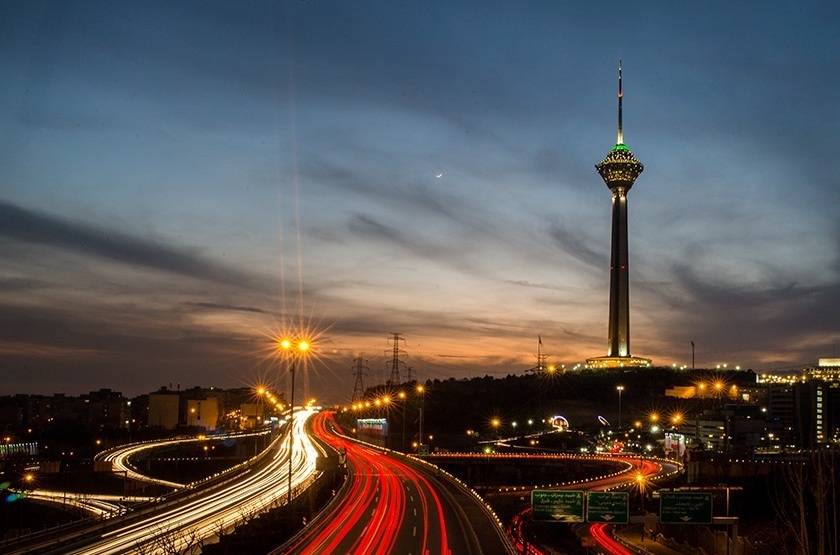
Milad-Tower
Isfahan
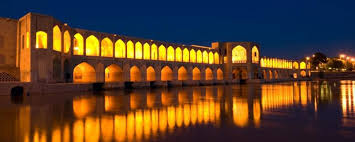
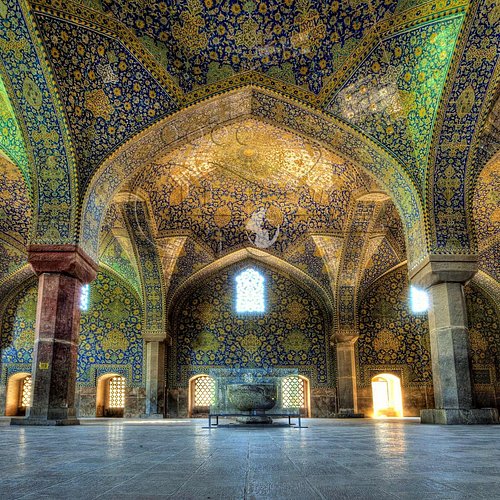
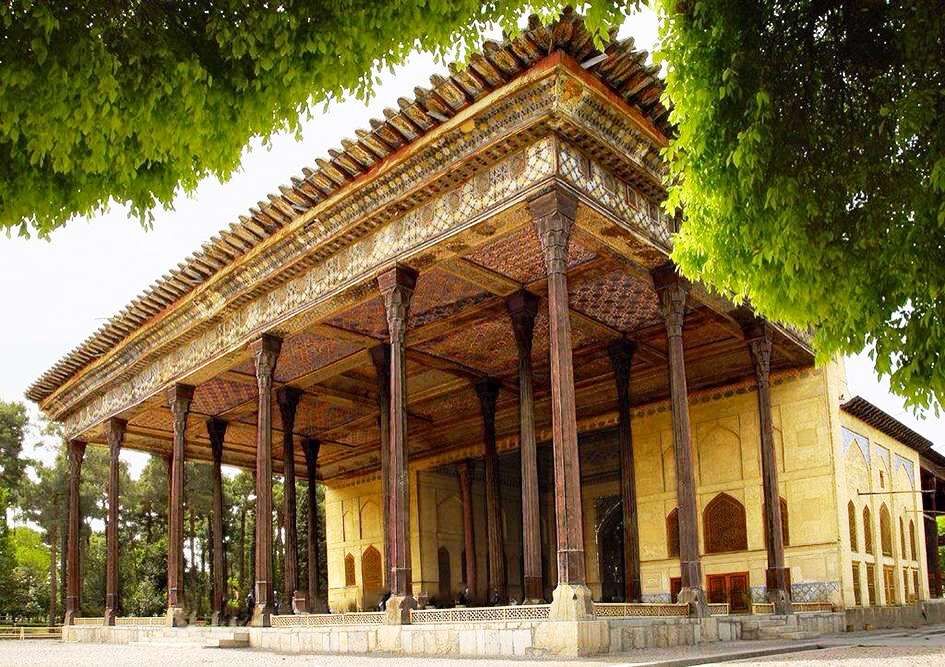
Isfahan or Esfahan is a major city in the Central District of Isfahan County, Isfahan province, Iran. It is the capital of the province, the county, and the district.It is located 440 kilometres (270 miles) south of Tehran.The city has a population of approximately 2,220,000,making it the third-most populous city in Iran, after Tehran and Mashhad, and the second-largest metropolitan area. Isfahan is located at the intersection of the two principal routes that traverse Iran, north-south and east-west. Isfahan flourished between the 9th and 18th centuries. Under the Safavid Empire, Isfahan became the capital of Iran, for the second time in its history, under Abbas the Great. The city retains much of its history. It is famous for its Persian-Muslim architecture, grand boulevards, covered bridges, palaces, tiled mosques, and minarets. Isfahan also has many historical buildings, monuments, paintings, and artifacts. The fame of Isfahan led to the Persian proverb Esfahān nesf-e-jahān ast (Isfahan is half (of) the world).Naqsh-e Jahan Square in Isfahan is one of the largest city squares in the world, and a UNESCO World Heritage Site.
Shiraz
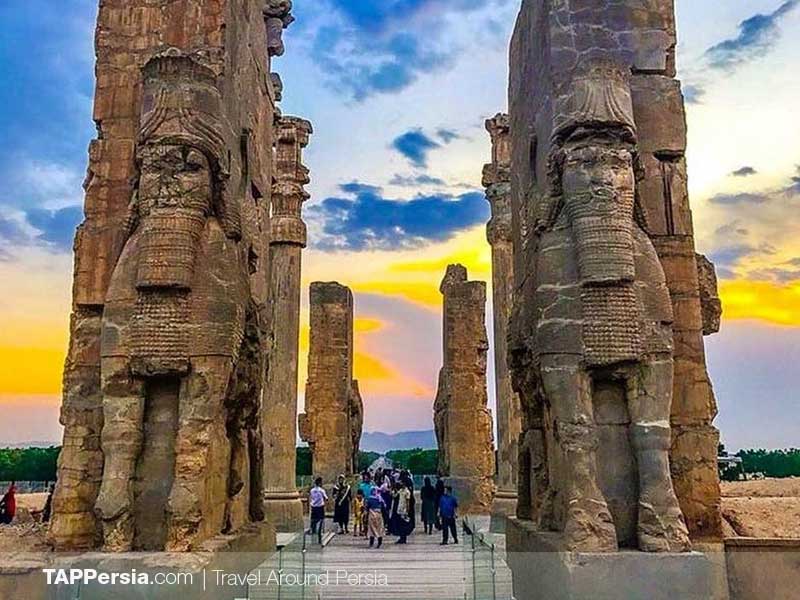
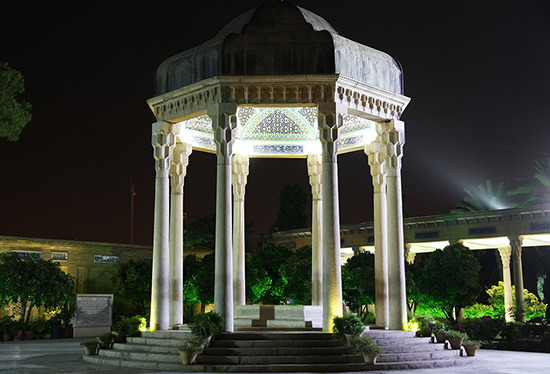
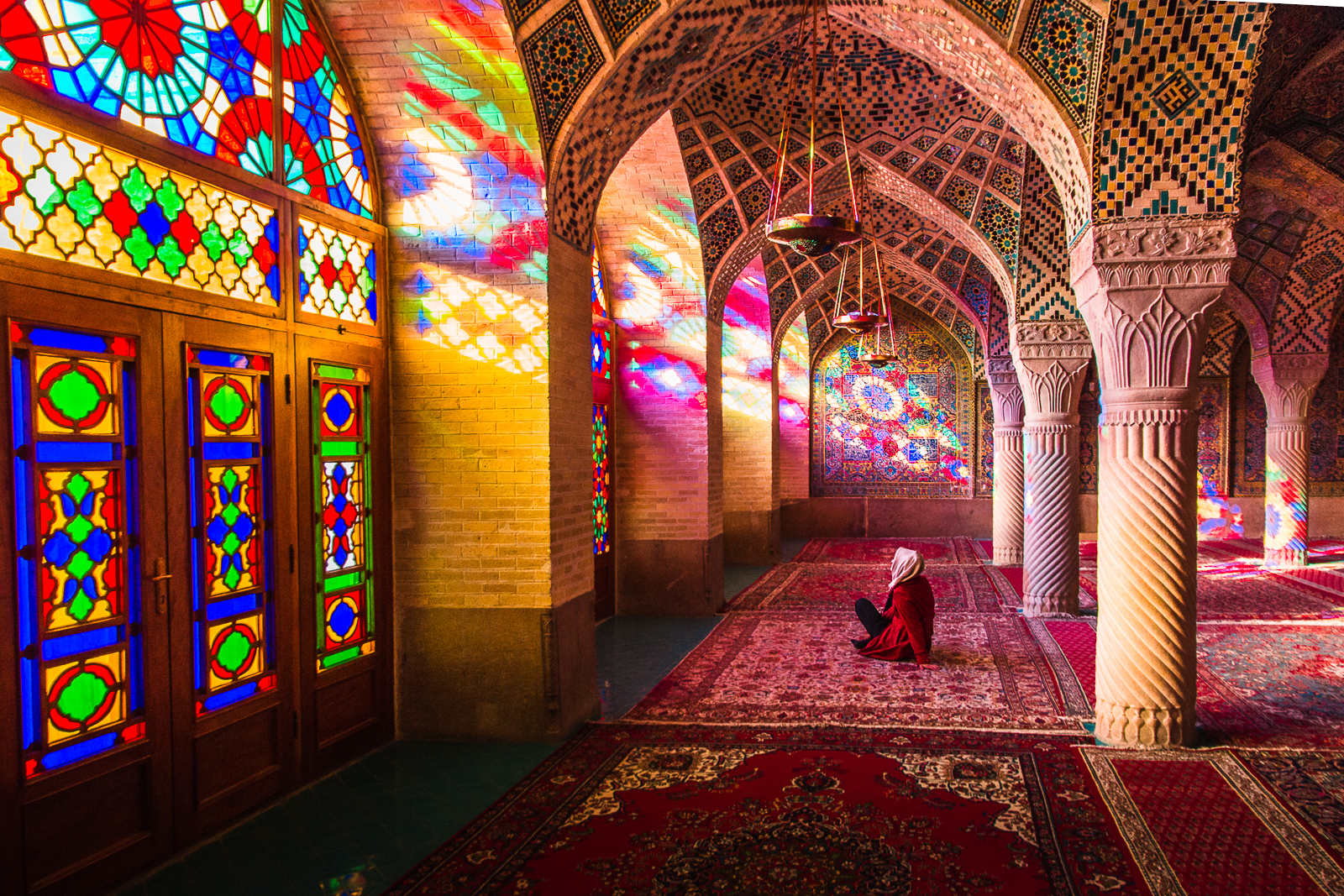
Shiraz is the fifth-most-populous city of Iran and the capital of Fars Province,which has been historically known as Pars and Persis.As of the 2016 national census, the population of the city was 1,565,572 people, and its built-up area with Sadra was home to almost 1,800,000 inhabitants.A census in 2021 showed an increase in the city's population to 1,995,500 people.Shiraz is located in southwestern Iran on the rudkhaneye khoshk (lit.'dry river') seasonal river. Founded in the early Islamic period, the city has a moderate climate and has been a regional trade center for over a thousand years.
Mashad
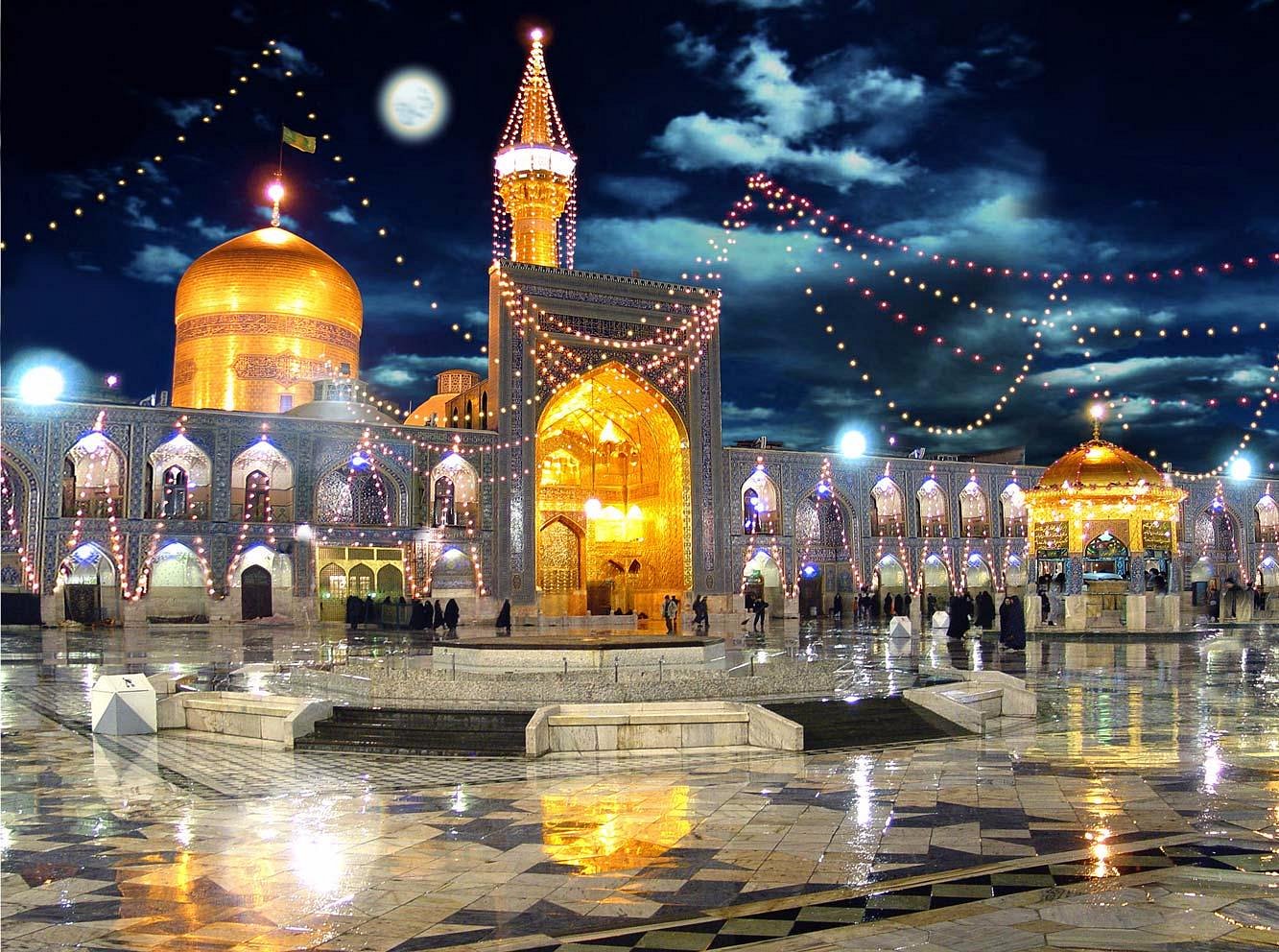
Mashhad is the second-most-populous city in Iran, located in the relatively remote north-east of the country about 900 kilometres (560 miles) from Tehran.In the Central District of Mashhad County, it serves as the capital of Razavi Khorasan Province, the county, and the district.It has a population of about 3,400,000 (2016 census), which includes the areas of Mashhad Taman and Torqabeh.The city was governed by different ethnic groups over the course of its history. Mashhad was previously a small village, which by the 9th century had been known as Sanabad, and which was located—along with Tus and other villages—on the ancient Silk Road connecting them with Merv to the east. Mashhad would eventually outgrow all its surrounding villages. It gained its current name meaning "place of martyrdom" in reference to the Imam Reza shrine, where the eighth Shia Imam, Ali al-Rida, is buried. The Abbasid caliph Harun al-Rashid is also buried within the same shrine. The shrine is an important place of pilgrimage, visited by 25 millions each year in what is often described as "the holiest city in Iran".
Tabriz
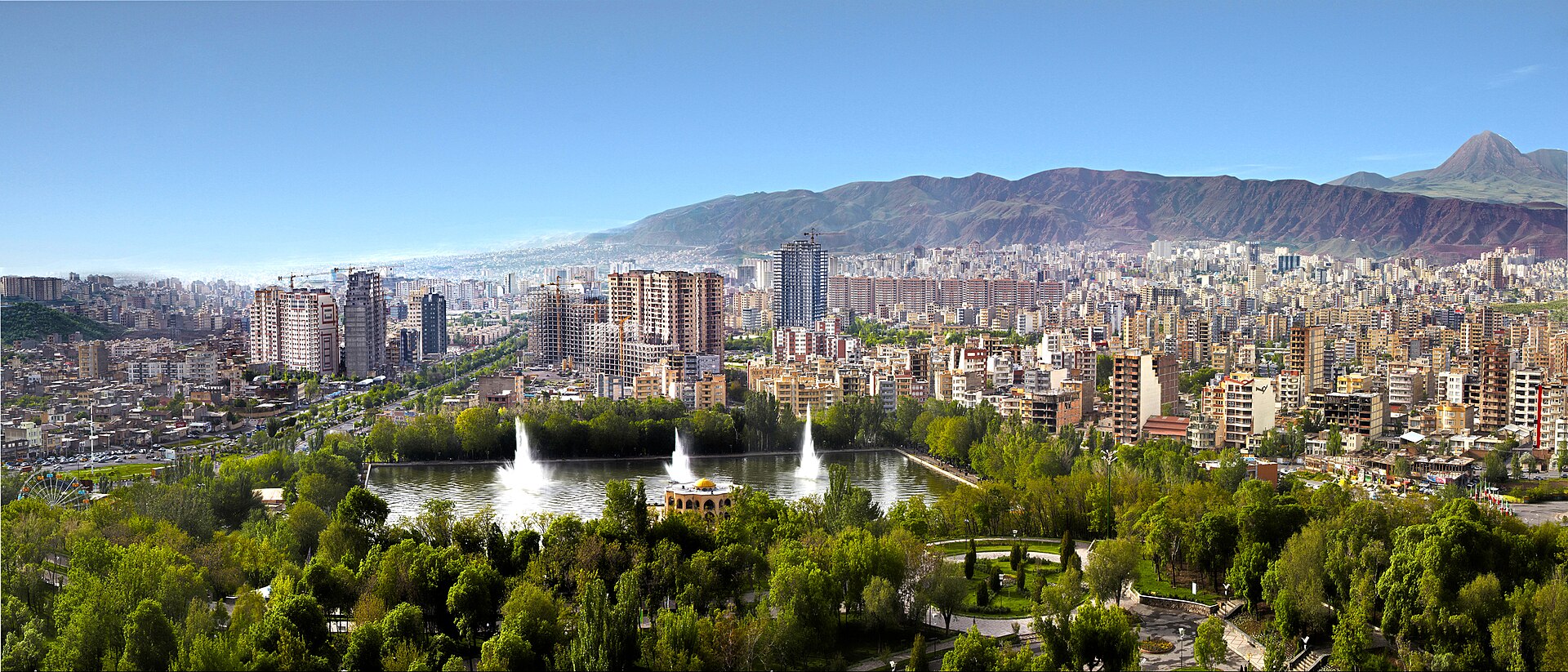
Tabriz is a city in the Central District of Tabriz County, in the East Azerbaijan province of northwestern Iran. It is the sixth-most-populous city in Iran.Tabriz is in the Quru River valley in Iran's historic Azerbaijan region between long ridges of volcanic cones in the Sahand and Eynali mountains. Tabriz's elevation ranges between 1,350 and 1,600 m (4,430 and 5,250 ft) above sea level. The valley opens up into a plain that gently slopes down to the eastern shores of Lake Urmia, 60 km (37 mi) to the west. The city was named World Carpet Weaving City by the World Crafts Council in October 2015 and Exemplary Tourist City of 2018 by the Organisation of Islamic Cooperation.With a population of over 1.7 million (2016), Tabriz is the largest economic hub and metropolitan area in northwest Iran. The population is bilingual with most people speaking Azerbaijani as their native language and Persian as their second language. Tabriz is a major heavy industries hub for automobiles, machine tools, refineries, petrochemicals, textiles and cement production industries. The city is famous for its handicrafts, including hand-woven rugs and jewelry. Local confectionery, chocolate, dried nuts and traditional Tabrizi food are recognized throughout Iran as some of the best. Some of the most esteemed cultural institutions in northwest Iran are located in Tabriz, which is also a center for intellectual activity.
Rasht
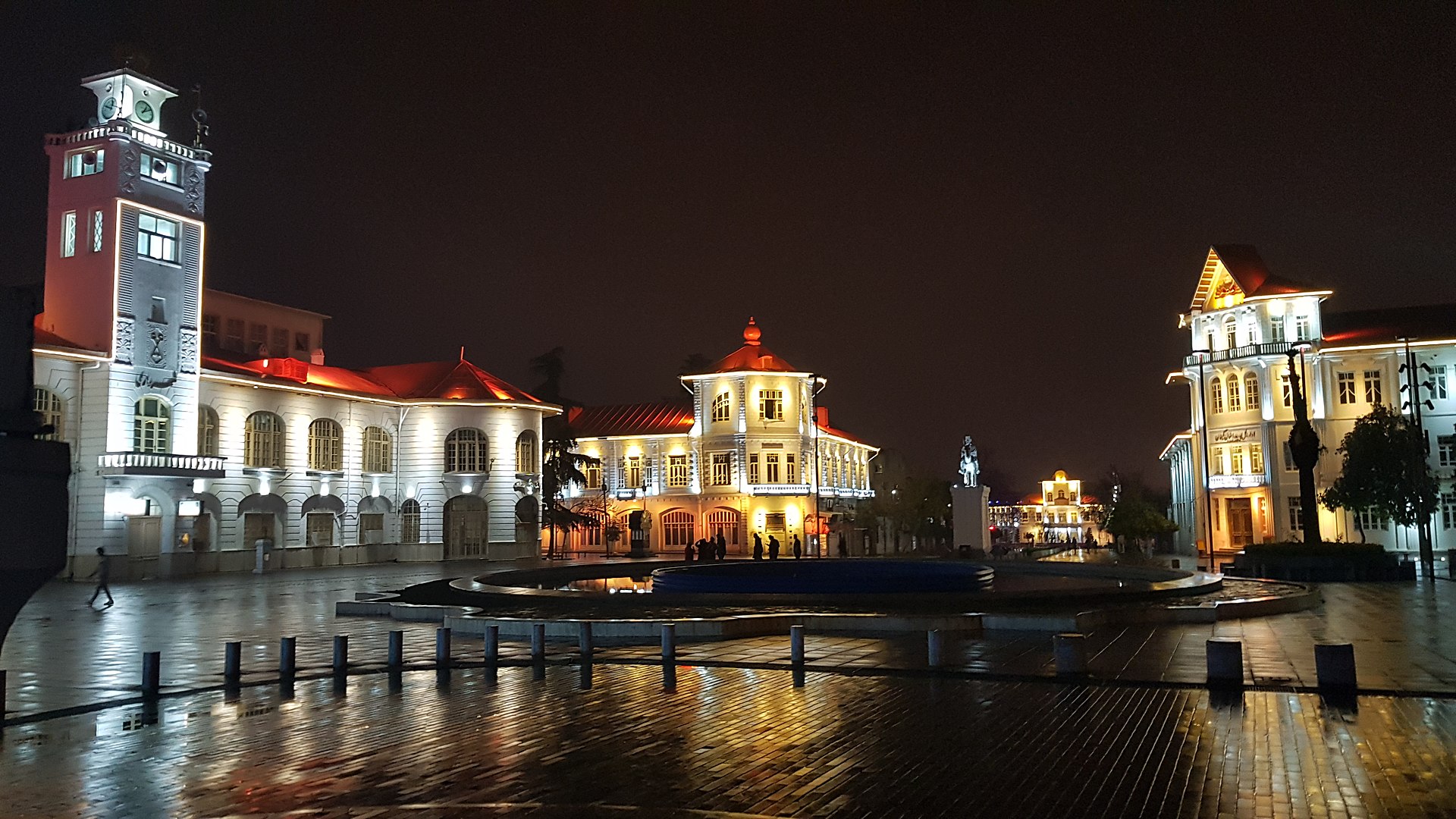
Rasht is a city in the Central District of Rasht County, Gilan province, in Iran. Rasht serves as capital of the province, the county, and the district. The city is also known as the "City of Rain"and, with a population of 679,995 in 2016,is the most populous city of northern Iran. Rasht is the largest city on Iran's Caspian Sea coast. Due to being between the coast and the mountains, the local environment is rainy with a humid subtropical climate. It also has temperate rainforest to its south, contrasting to the mostly arid Iran. It is a major trade center between Caucasia, Russia, and Iran using the port of Bandar-e Anzali. Rasht is also a major tourist center with the resort of Masouleh in the adjacent mountains and the beaches of Caspian as some of the major attractions.
Ahvaz
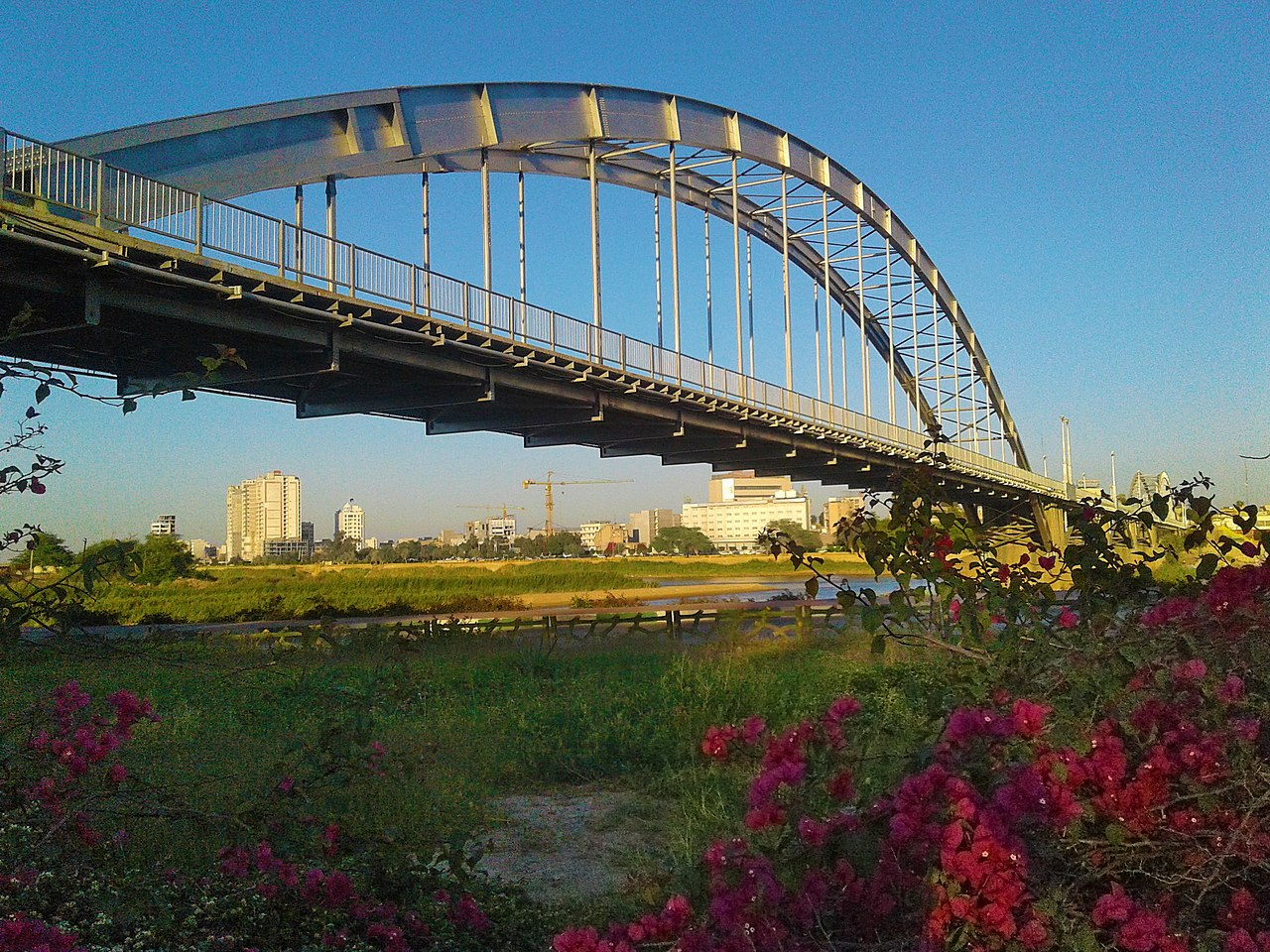
Ahvaz is a city in the Central District of Ahvaz County, Khuzestan province, Iran. It serves as capital of the province, the county, and the district. It is home to Persians, Arabs, Bakhtiaris, Dezfulis, Shushtaris, and others. Languages spoken in the area include Persian, Arabic, Luri and dialects such as Bakhtiari, Dezfuli and Shushtari. Ahvaz is home to over 1.2 million people within its metropolitan area, including Sheybani. Census results suggest a steady increase in population. At the time of the National Census of 2006, the city had 969,843 inhabitants in 212,097 households; 1,112,021 people in 288,271 households in 2011; and in 2016 the census counted 1,184,788 people in 331,556 households. The river Karun flows through the middle of the city. It is one of the two navigable rivers in Iran, alongside the Arvand Rud (Shatt al-Arab). Ahvaz has a long history, dating back to the Achaemenid period. In ancient times, the city was one of the main centers of the Academy of Gondishapur.
Kermanshah
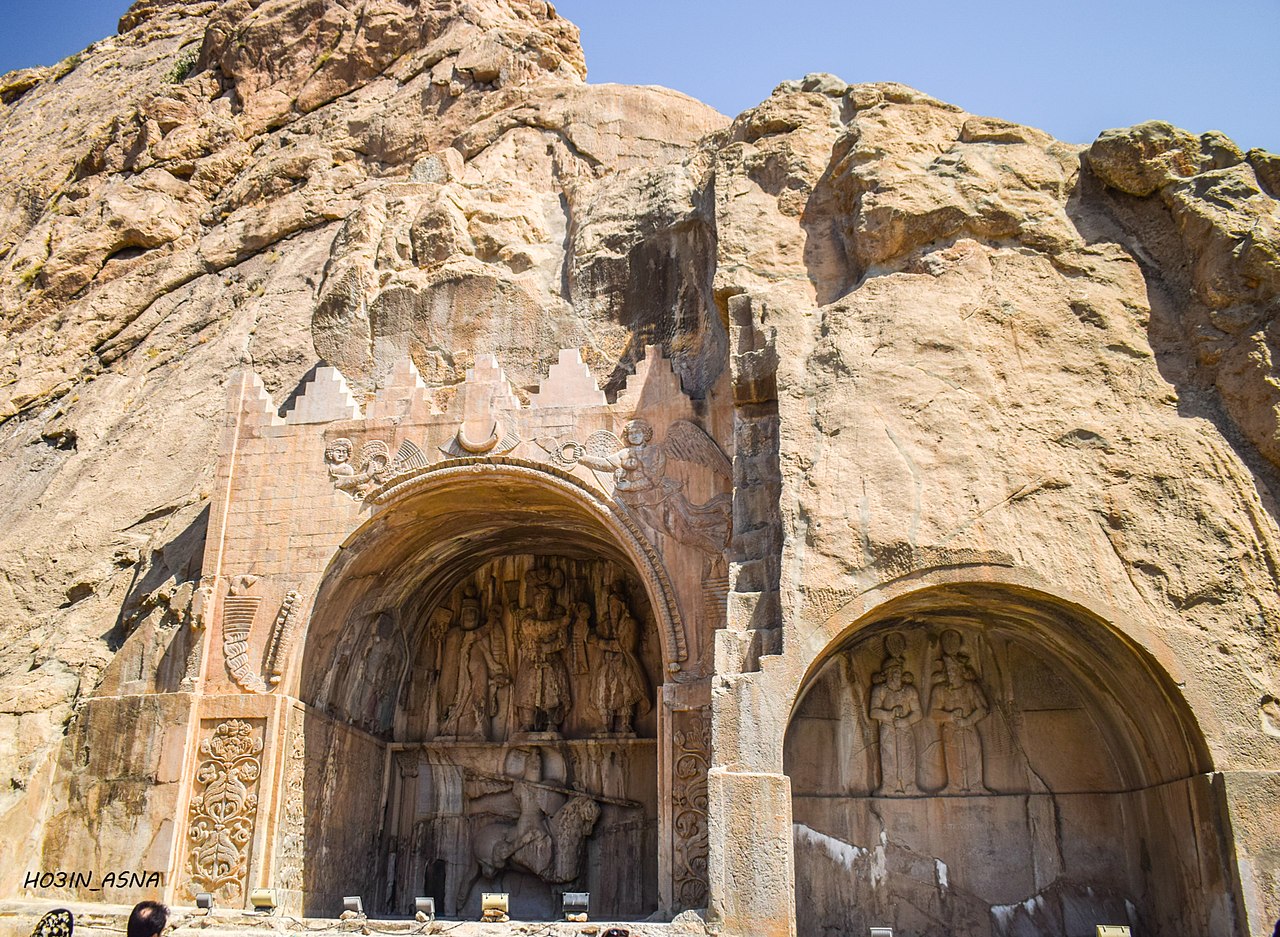
Kermanshah is a city in the Central District of Kermanshah province, Iran, serving as capital of the province, the county, and the district.The city is 525 kilometres (326 miles) from Tehran in the western part of the country. The 2016 National Census measured the population of the city as 946,651(2021 estimate 1,047,000).At the time of the 2006 census, the city's population was 784,602 in 202,588 households.The following census in 2011 counted 851,405 people in 242,311 households. The language of the native people in Kermanshah is South Kurdish, but the people of Kermanshah can also speak standard Persian. A minority in the city speak Kermanshahi Persian, a local dialect which differs from standard Persian. The city has the largest Kurdish population in Iran.Kermanshah has a moderate and mountainous climate.Most of the inhabitants of Kermanshah are Shia Muslims, but there are also Sunni Muslims, Christians,and followers of Yarsanism.
Yazd
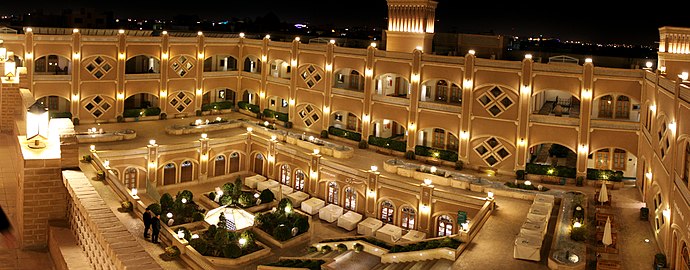
Yazd is a city in the Central District of Yazd County, Yazd province, Iran, serving as capital of the province, the county, and the district. Yazd is 270 km (170 mi) southeast of Isfahan. At the 2016 census, its population was 529,673.Since 2017, the historical city of Yazd is recognized as a World Heritage Site by UNESCO. Because of generations of adaptations to its desert surroundings, Yazd has a unique Persian architecture. It is nicknamed the "City of Windcatchers" ( Shahr-e Badgirha) from its many examples. It is also very well known for its Zoroastrian fire temples, ab anbars (cisterns), qanats (underground channels), yakhchals (coolers), Persian handicrafts, handwoven cloth (Persian termeh), silk weaving, Persian cotton candy, and its time-honored confectioneries. Yazd is also known as City of Bicycles, because of its old history of bike riders, and the highest number of bicycles per capita in Iran. It is reported that bicycle culture in Iran originated in Yazd as a result of contact with European visitors and tourists in the last century.
Qazvin
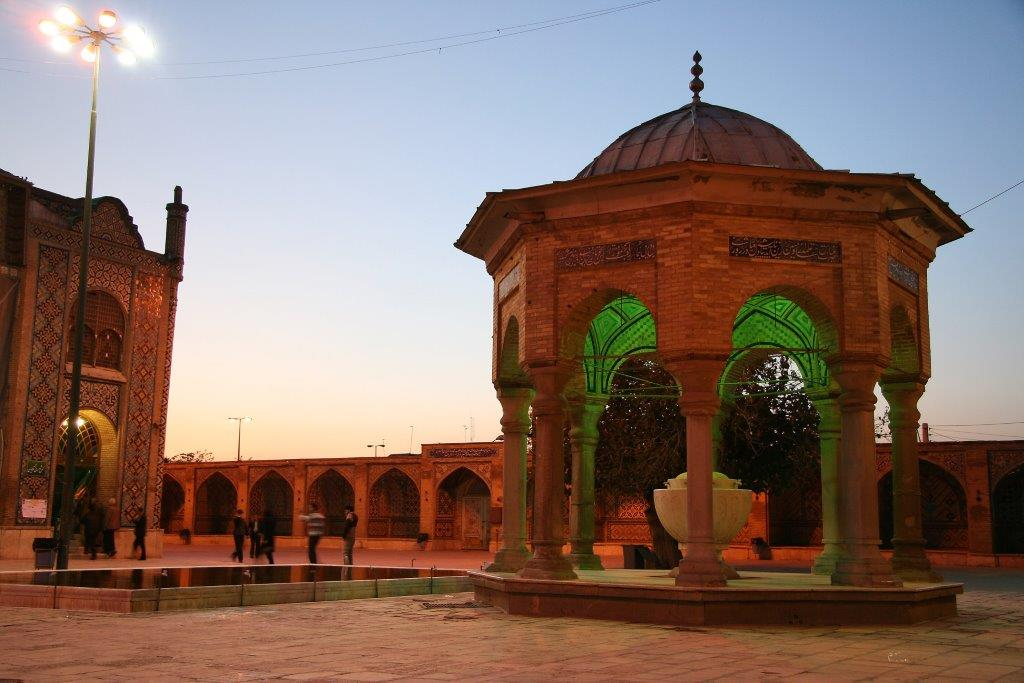
Qazvin is a city in the Central District of Qazvin County, Qazvin province, Iran, serving as capital of the province, the county, and the district. It is the largest city in the province. Qazvin was a capital of the Safavid Empire for over forty years (1555-1598) and nowadays is known as the calligraphy capital of Iran. It is famous for its traditional confectioneries (like Baghlava), carpet patterns, poets, political newspaper and Pahlavi influence on its accent. Located in 150 km (93 mi) northwest of Tehran, in the Qazvin Province, it is at an altitude of about 1,800 m (5,900 ft) above sea level. Due to its position at the south of the rugged Alborz range called KTS Atabakiyam, its climate is cold but dry.
Qeshm Island
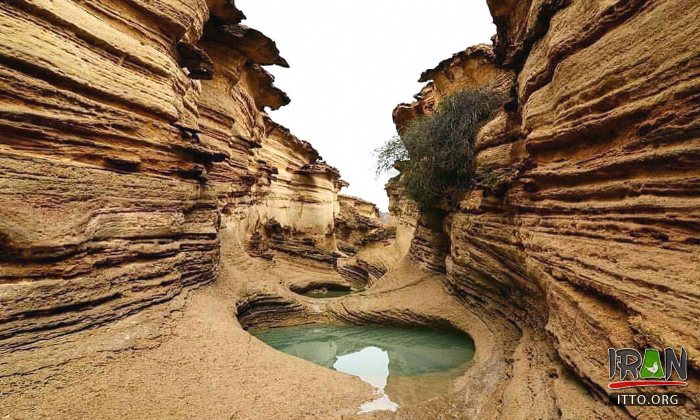
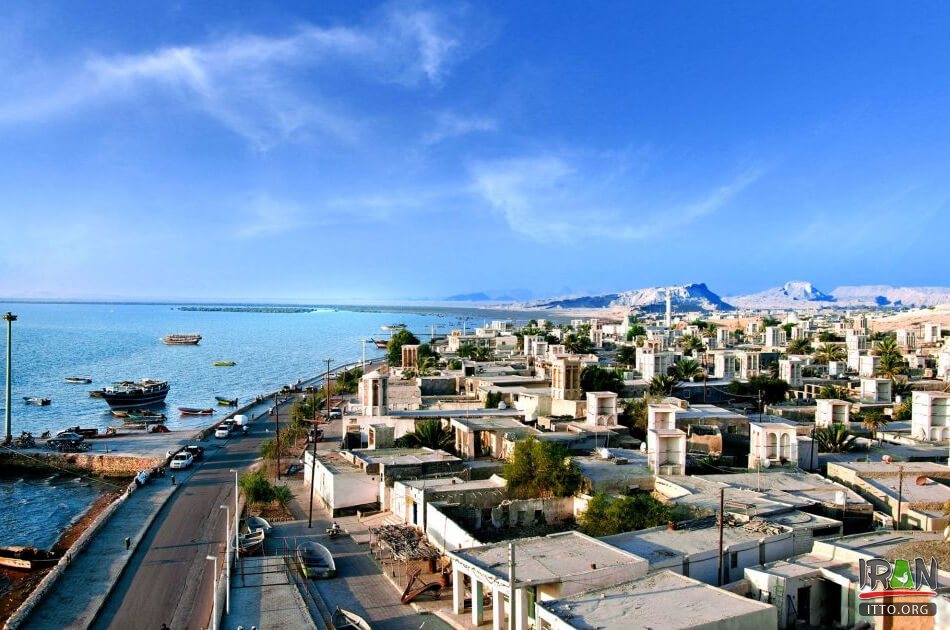
Qeshm is an arrow-shaped Iranian island in the Strait of Hormuz, separated from the mainland by the Clarence Strait/Khuran in the Persian Gulf (26°50′N 56°0′E). and the largest in the Persian Gulf.Qeshm Island is located a few kilometers off the southern Iran shoreline (Persian Gulf), opposite the port cities of Bandar Abbas and Bandar Khamir. The island, which hosts a 300-square-kilometre (116-square-mile) free zone jurisdiction, is 135 km long and lies strategically in the Strait of Hormuz, just 60 kilometres (37 miles) from the Omani port of Khasab and about 180 kilometres (112 miles) from the UAE's Port Rashid. At its widest point near the center, the island spans 40 kilometres (25 miles). At its narrowest point, the island spans 9.4 kilometres (5.8 miles). The island has a surface area of 1,491 square kilometres (576 square miles) and is almost twice the size of Bahrain. The city of Qeshm, located at the easternmost point of the island, is 22 kilometres (14 miles) from Bandar Abbas, while the closest point of the island is but two kilometres (1 mile) from the mainland.
Babol
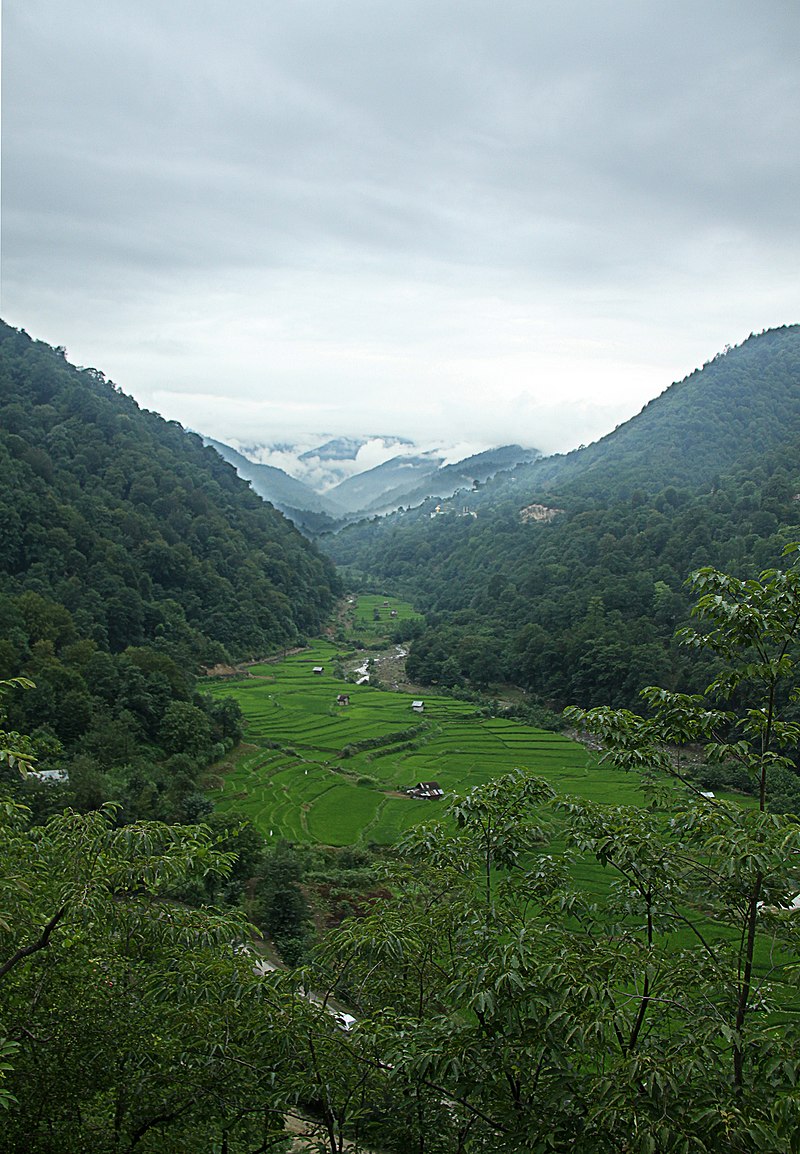
Babol is a city in the Central District of Babol County, Mazandaran province, Iran, serving as capital of both the county and the district. Babol is divided into two metropolitan areas (under Iranian law).Mazandarani people have a background in Tabari ethnicity and speak Mazandarni. Their origin goes back to the Tapuri people, who were forced to migrate to the south coast of the Caspian Sea during the Achaemenid dynasty. The native people of Sari, Shahi, Babol, Amol, Nowshahr, Chalus, and Tonekabon are Mazandarani people and speak the Mazandarani language.
Kashan
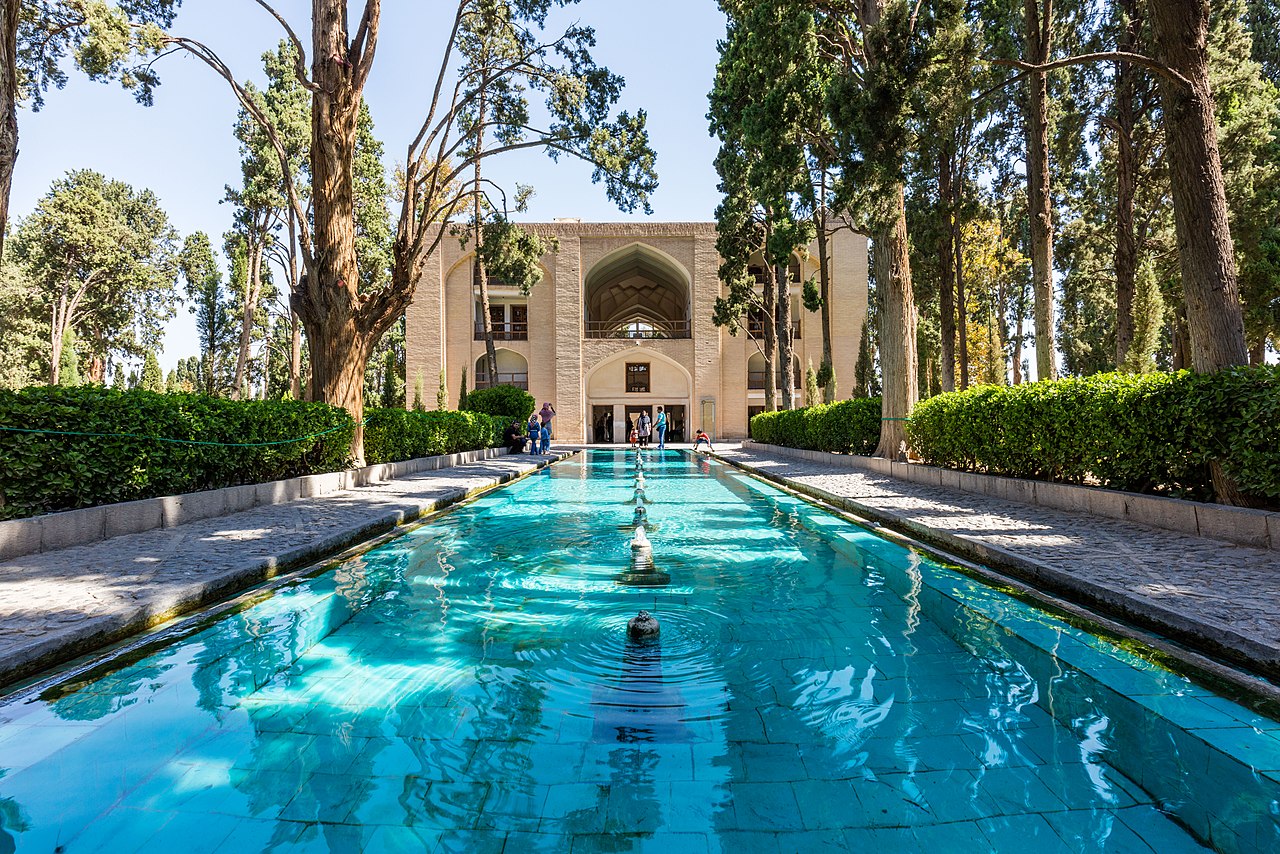
Kashan is a city in the Central District of Kashan County, in the northern part of Isfahan province, Iran, serving as capital of both the county and the district.The city of Kashan is located in the north of Isfahan province, north of the Karkas Mountains and west of Dasht-e Kavir desert, where it is poor in terms of vegetation and where bushes and shrubs are more or less found.On August 9, 2007, Iran placed the Historical Axis of Fin, Sialk, Kashan on its Tentative List for possible future nomination as a UNESCO World Heritage Site. The exact definition of what locations within Kashan proper might be nominated was not made clear. In 2012 Iran successfully nominated the Fin Garden separately for inscription by UNESCO as a part of its Persian Gardens World Heritage Site. Despite this the "Historical-Cultural Axis of Fin, Sialk, Kashan" remains in full on Iran's Tentative List. The Boroujerdiha house is one of the historical places from the Qajar period.Kashan is known for the manufacture of carpets, silk and other textiles.